
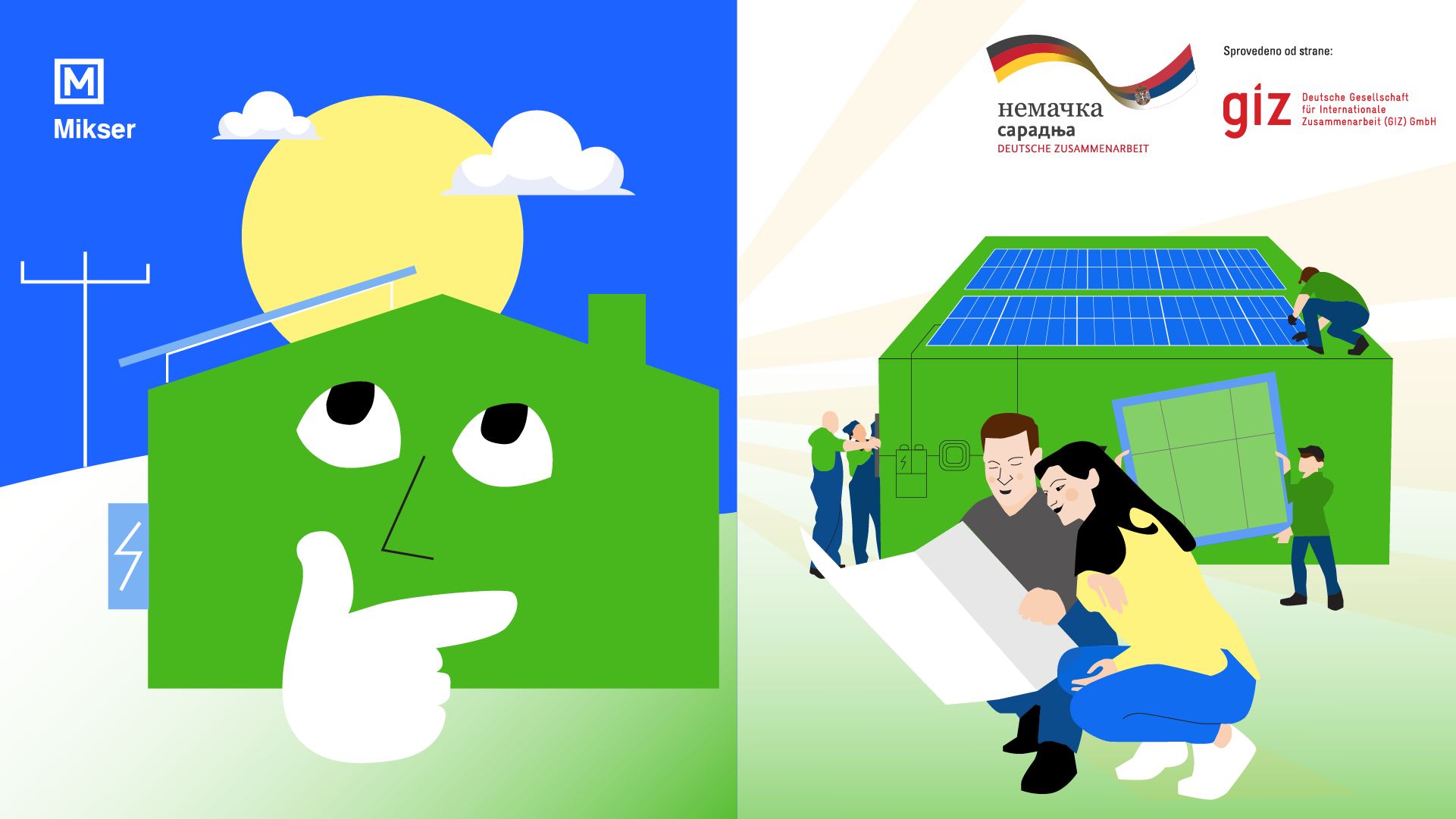
Making your home more energy-efficient isn’t just about saving money, and it is not something to leave solely in the hands of adults—it’s about stepping up for the planet and creating a better future. Serbian households use a lot more energy than the EU average, so there’s huge potential to cut costs, boost comfort, and protect the environment. Let’s break down some easy, practical steps you can take, plus where to find cool tools and support from GIZ and Mikser Association, and maybe help you help your parents, grandparents, or homeowners move a few things around and make their lives nicer, easier, and a planet a bit healthier.
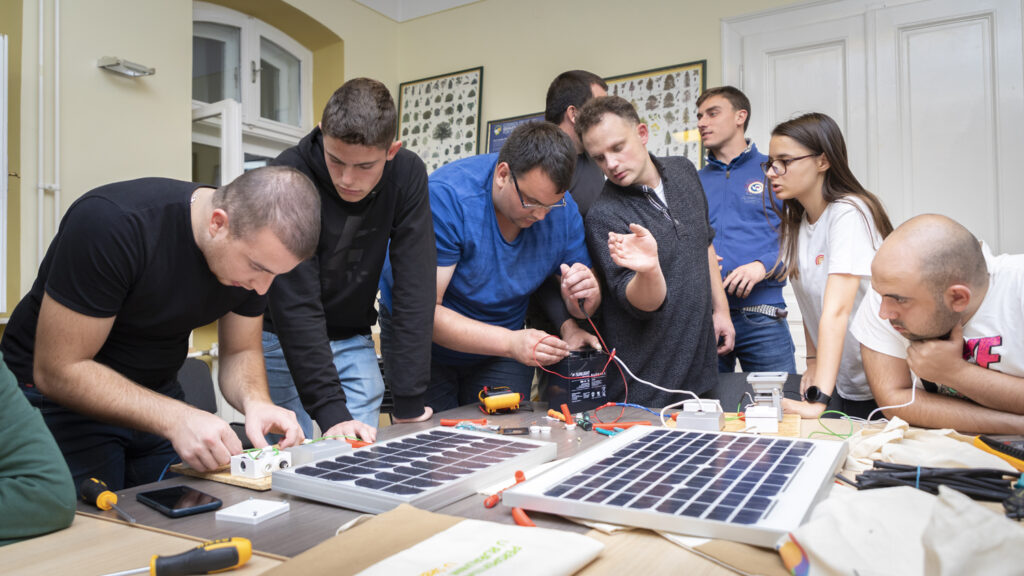
photos: GIZ

Start with a Home Energy Audit
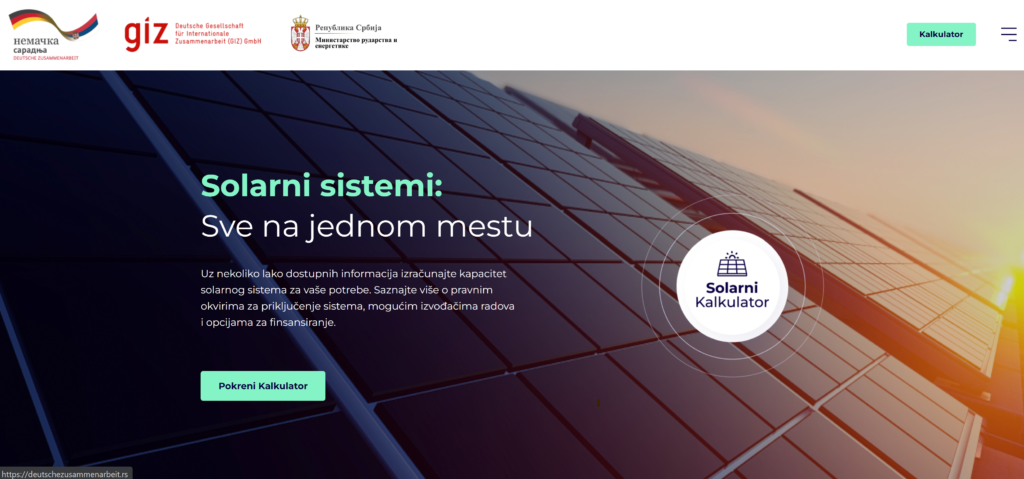
Before you dive into upgrades, it’s smart to figure out where your home is losing energy. You can use tools like the EBRD GEFF Savings Calculator to see how much you could save and which fixes will make the biggest impact. Also, make sure you check out the Solar Calculator to see if solar panels could work for your place, learn about the legal stuff, find contractors, and explore financing options. Knowing your home’s energy profile is the first step to making it better.

Insulate Your Home Like a Pro
Insulation is a game-changer, especially with Serbia’s chilly winters and hot summers. Adding thermal insulation to your walls, roof, and floors can slash heating and cooling bills by up to 70%! For example, putting in 10 cm of insulation in a home that has none can save you around €710 a year. That’s money you can spend on other things you love.
Upgrade Your Windows and Doors
Old windows and doors are like open invitations for heat to escape. Swapping them out for energy-efficient PVC models can keep your home cozy and cut down on energy waste. This is especially important in older Serbian homes that weren’t built with modern insulation in mind.
Kill the “Vampire” Power Drain
Did you know your gadgets suck power even when they’re off? This “phantom load” adds up without you noticing. The easiest fix? Use power strips to switch off multiple devices at once or just unplug chargers, TVs, and gaming consoles when you’re not using them. Small moves, big savings.
Go Renewable: Solar Panels and Heat Pumps
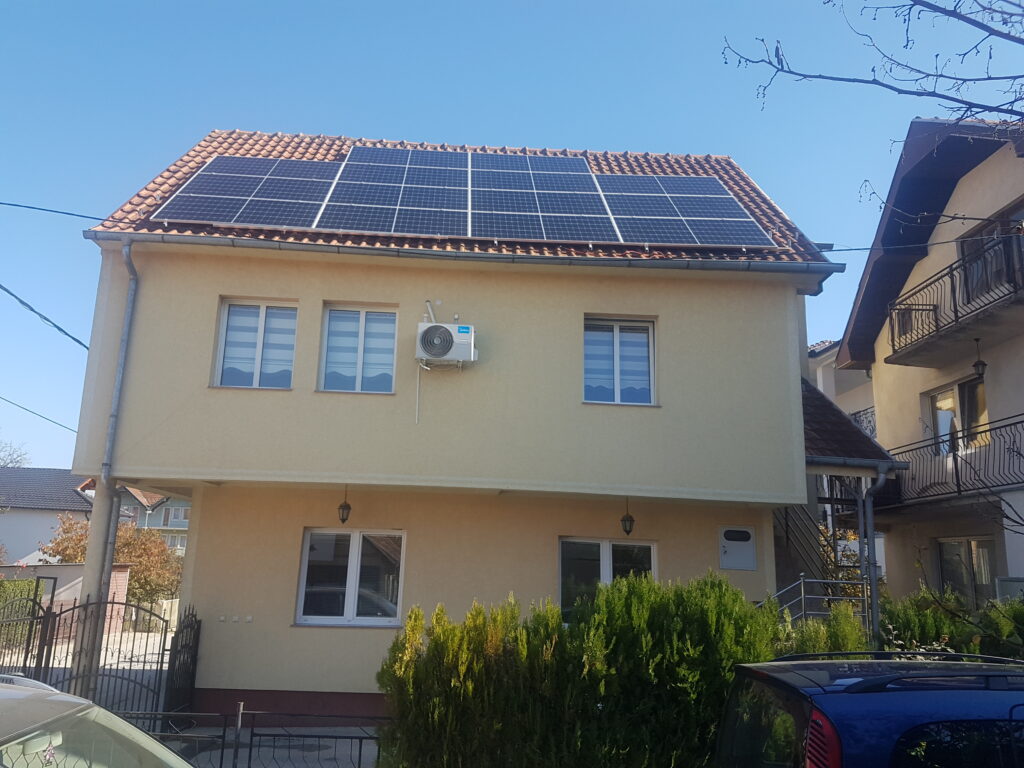
If you’re ready to take it up a notch, solar panels and heat pumps are awesome ways to power your home cleanly. Take the Đukanović family from Belgrade—they installed a photovoltaic system and heat pump, cutting their CO₂ emissions by 3.6 tons a year and slashing their electricity bills by half. Use the Solar Calculator to check your home’s solar potential and plan your setup smartly.
Upgrade and Maintain Heating and Cooling Systems
Heating is the biggest energy user in Serbian homes—over 65%! Switching to efficient systems like biomass boilers or modern heat pumps can save you loads of energy and cash. Don’t forget to keep your systems well-maintained so they run smoothly all year round.
Use Financial Support to Your Advantage
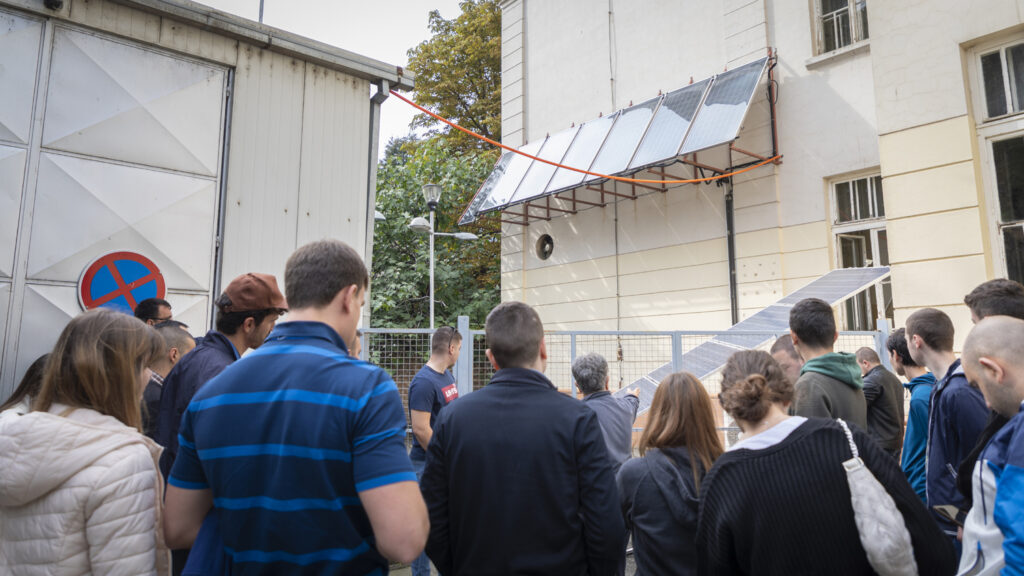
Energy upgrades can cost upfront, but don’t let that stop you. Many bank programs offer financing and grants that can cover up to 20% of your costs. Soon, you’ll hear real stories from people who’ve used these incentives to make their homes greener and their bills smaller. Also, a few more clicks across the Solar Calculator can navigate your first steps towards these.
Call to Action: Transform Your Home Today!
Serbia has huge potential to lead the way in home energy efficiency. Whether you’re a young innovator curious about solar power or a homeowner wanting to stay cozy without breaking the bank, every step counts! Check out GIZ’s upcoming guide, “Improve the Energy Efficiency of Your Home: Step by Step!” Check out the different tools we’ve mentioned to see what you can save. And don’t miss Mikser’s workshops at the Mikser Festival in Belgrade—your chance to learn, connect, and power up your green journey.
If you want to make a difference, start at home. Your energy-smart choices today can shape a cleaner, cooler Serbia tomorrow!
The article was prepared by Mikser Association for the needs of the German development cooperation project implemented by Deutsche Gesellschaft für Internationale Zusammenarbeit (GIZ) GmbH on behalf of the Federal Ministry for Economic Cooperation and Development of the Federal Republic of Germany (BMZ). The ideas, positions, and opinions expressed in this article do not necessarily represent the ideas, positions, and opinions of the German Organization for International Cooperation – Deutsche Gesellschaft für Internationale Zusammenarbeit (GIZ) GmbH and do not bind the organization.